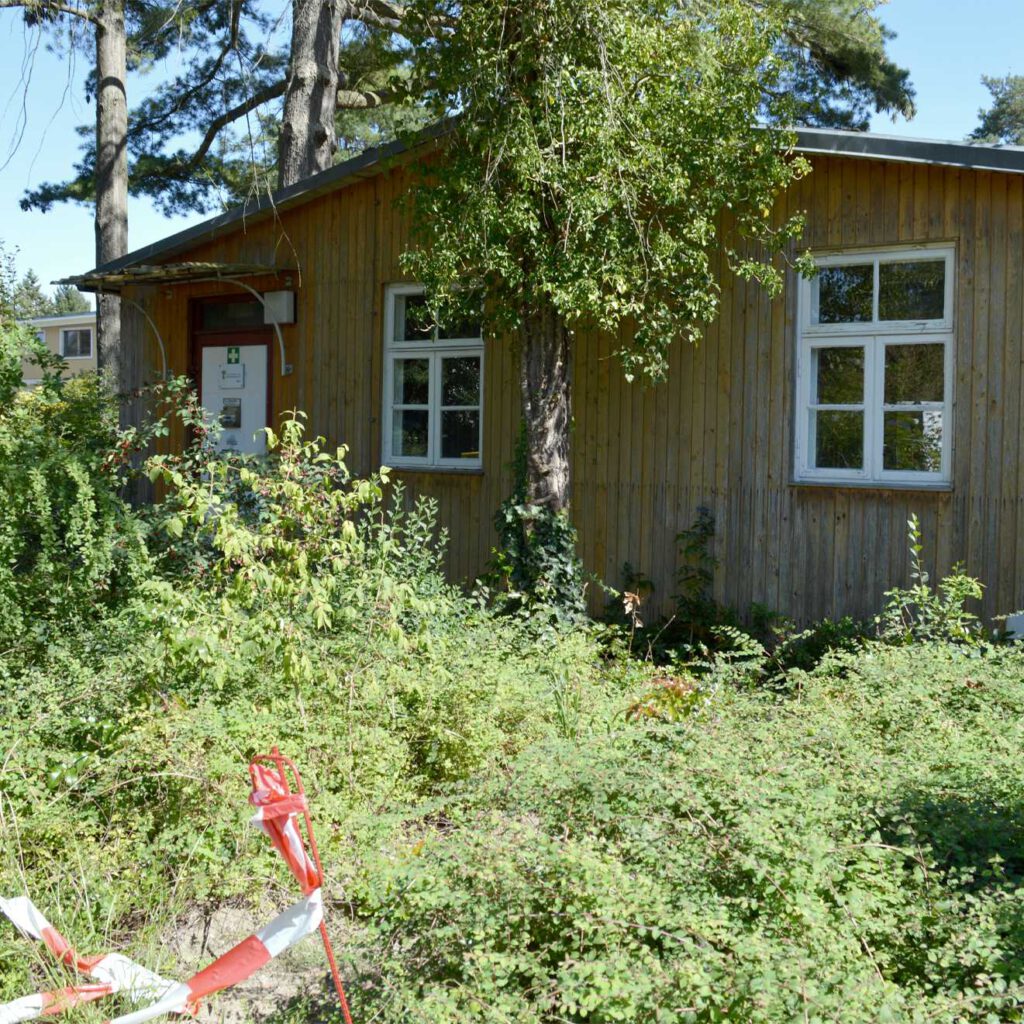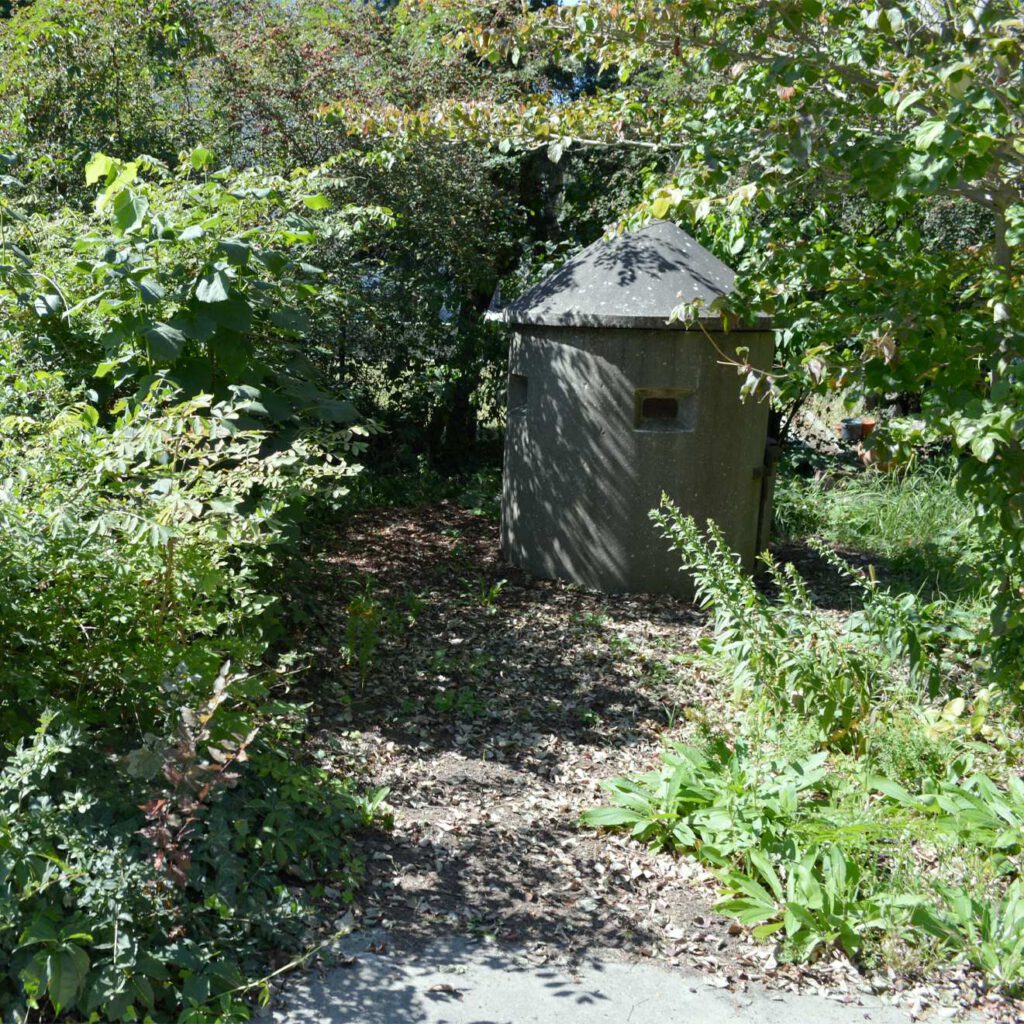

Billerbecker Road
Memorial Site and Gardening School
Berlin
2025
Assessment of Existing Conditions and Development Plan for Historic Preservation
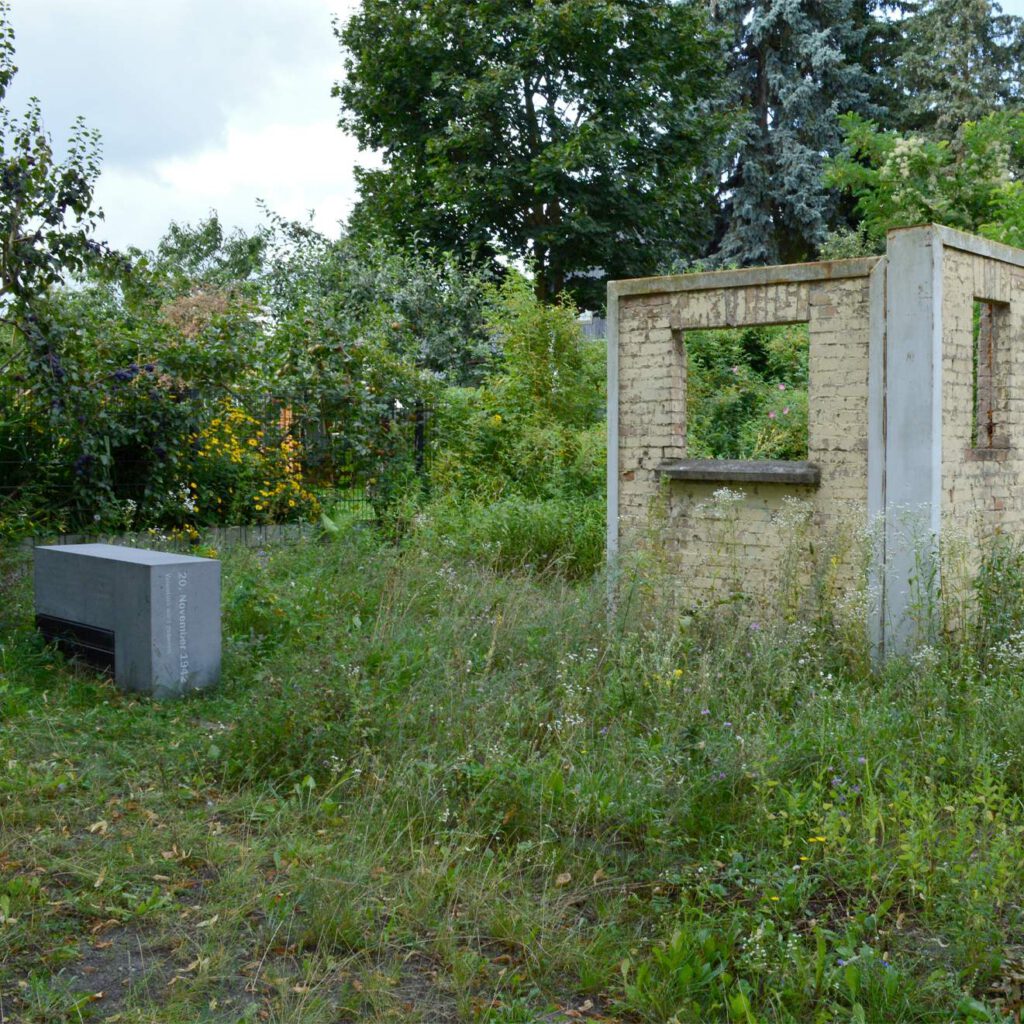
The site on what is now Billerbecker Weg (Krumpuhler Weg Memorial Site) brings together two historical periods of particular significance. Starting in 1942, a forced-labor camp for the Altmärkische Kettenwerk (Alkett II / Maget) was located here. After 1950, the Reinickendorf Horticultural School was established on the site. It is a typical example of the educational and landscape design efforts during the reconstruction phase of the 1950s and 1960s.
Our task was to document and assess both layers of the historic site—both built and organic—in their own right, and to develop a viable plan for the future.
Historical analysis as a foundation
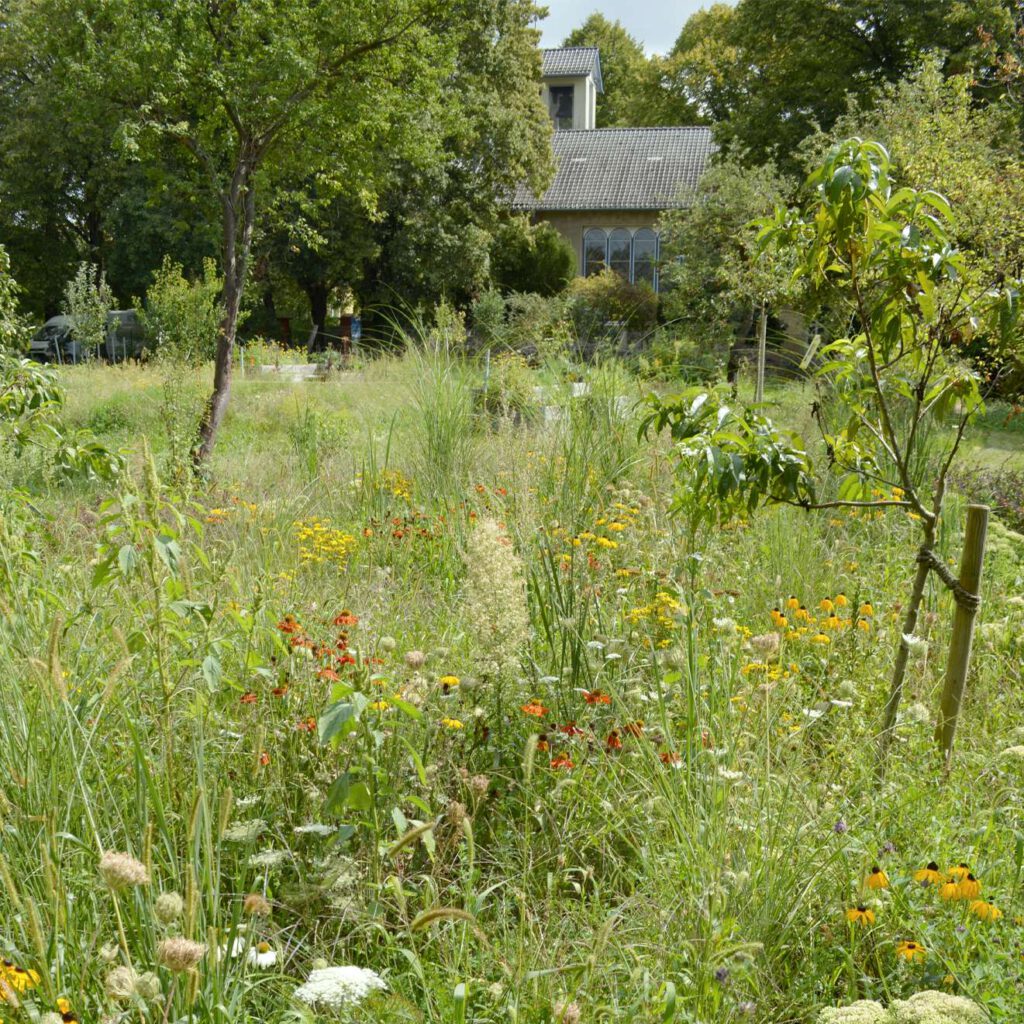
The first step involved conducting a comprehensive architectural and landscape heritage survey. Construction phases, alterations, and losses of structural integrity were systematically analyzed and documented in construction phase plans for the buildings and the garden. Furthermore, all trees and shrubs, including many rare species and growth forms, were recorded, and the year of their planting was researched.
The investigation made it clear that the site is not a static monument, but rather a place that has evolved over decades, characterized by a complex interplay of use, destruction, reconstruction, vegetation dynamics, and transformation.
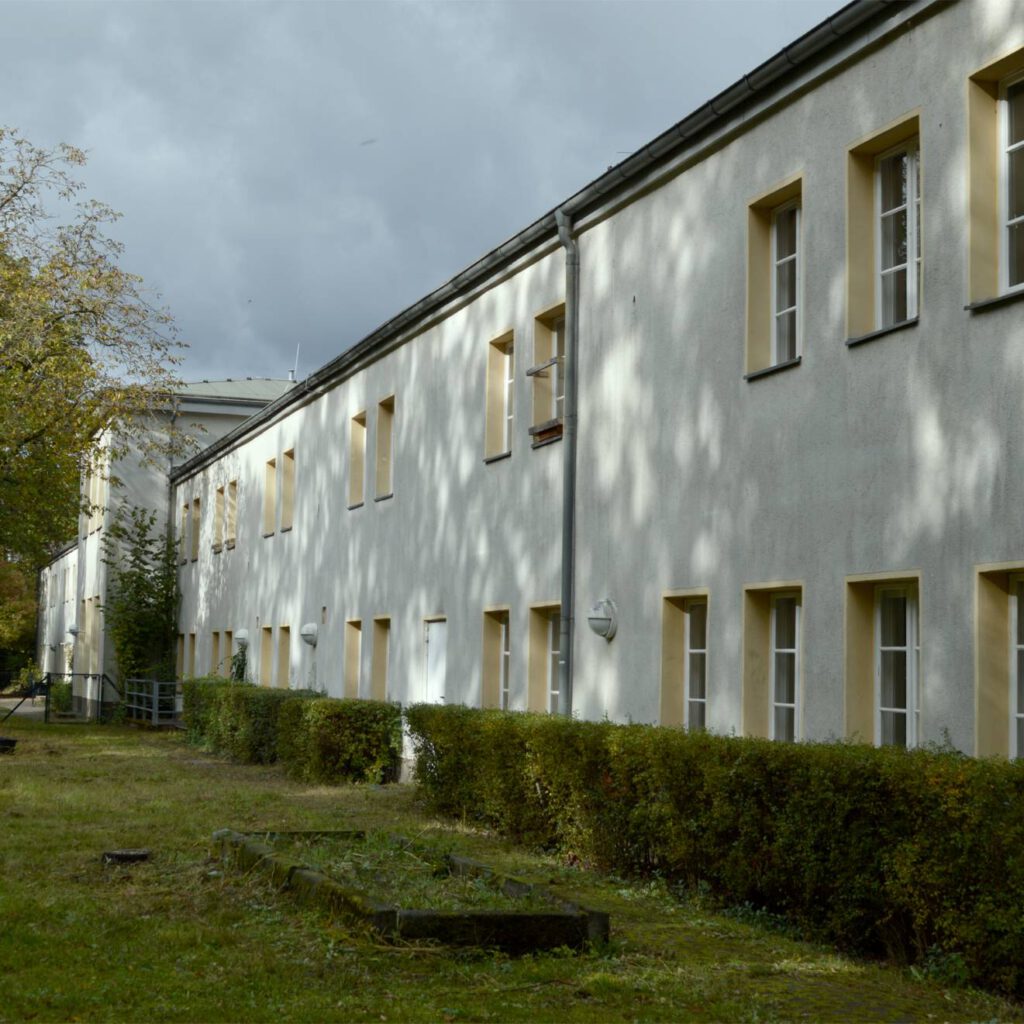
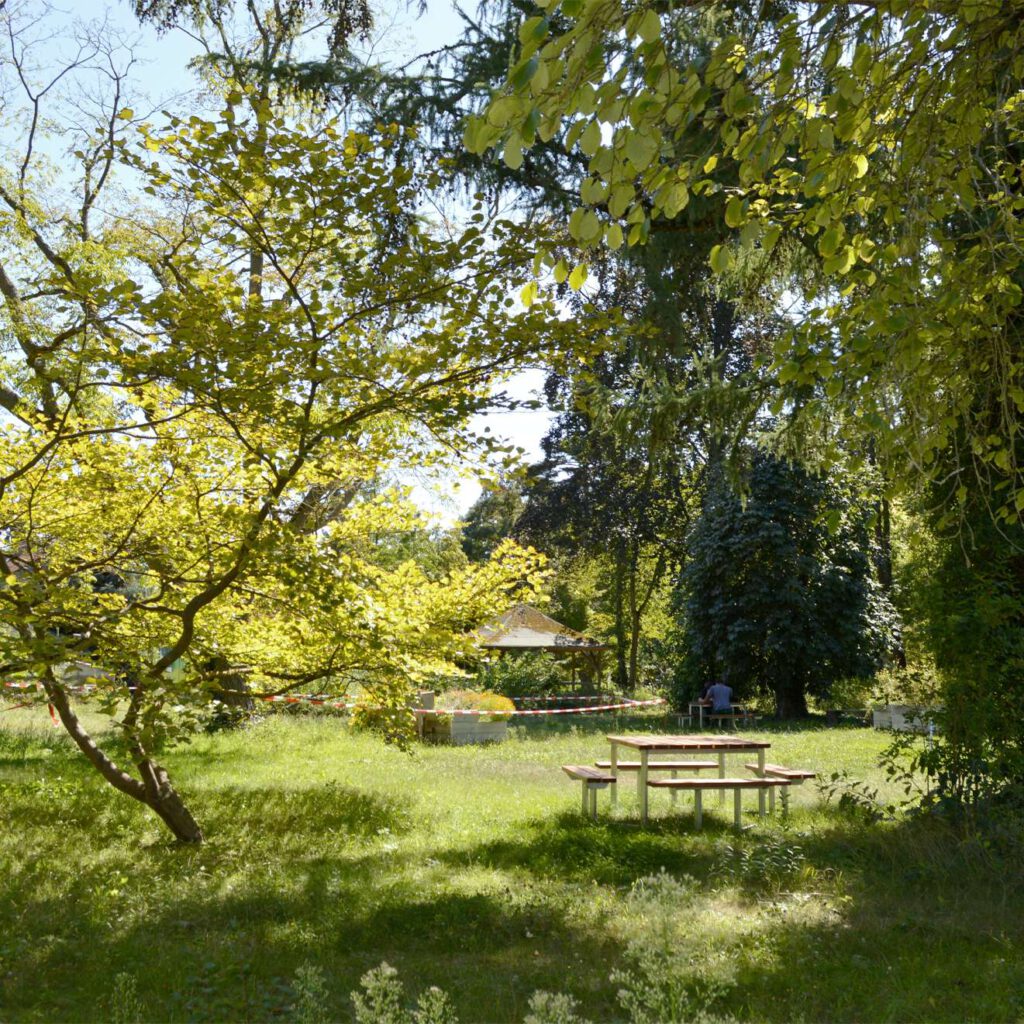
Assessment of Existing Structures for Preservation Purposes
Based on the historical analysis, we developed a project-specific evaluation matrix with clearly defined preservation categories.
Each building and garden space was evaluated in terms of physical condition, expressive power, legibility of historical layers, degree of alteration, and contextual integration into the overall fabric, and classified into a preservation category.
This categorization provided planning certainty: it defined not only what was to be preserved, but also how to handle the existing structure. This created a binding framework for the subsequently developed catalog of measures, without hindering the site’s further development.
Core Development and Usage Concept
Building on the assessment of the existing conditions, we have developed a coherent usage concept that combines the site’s heritage preservation requirements with the practical needs of contemporary use. At the center is a development core that serves as an organizational and spatial focal point, structuring the future development and user requirements of the gardening school.
Within the framework of the concept, particular emphasis was placed on integrating on-site knowledge transfer and the prospective redesign of the museum, the long-term strengthening of the gardening school as an educational hub, the barrier-free accessibility of infrastructure and central functions, as well as the heritage-sensitive treatment of heavily altered existing areas.
The property on Werdohler Weg, which formerly belonged to the forced-labor camp and was physically separated from the Billerbecker Weg site by a new housing development, has been included to convey the overall significance of the location.
The result is a coordinated framework for action that enables development without obscuring the historical layers and that has been presented, in close consultation with the historic preservation authorities, as a solid foundation for the next planning steps.
Heritage Preservation as a Strategic Tool
The project demonstrates that historic preservation is more than just preserving existing structures. By combining historical analysis, an evaluation matrix, and a usage concept, a robust framework for action was created for policymakers, administrators, and future planning steps.
In doing so, we established a foundation that harmonizes remembrance, educational initiatives, and architectural and landscaping developments through sensitivity, precise analysis, and a clear vision for the future.