Rotenburg Rapids
Construction of a residential building with 19 apartments and 2 commercial units
Rotenburg
from 2025
LP 1–9
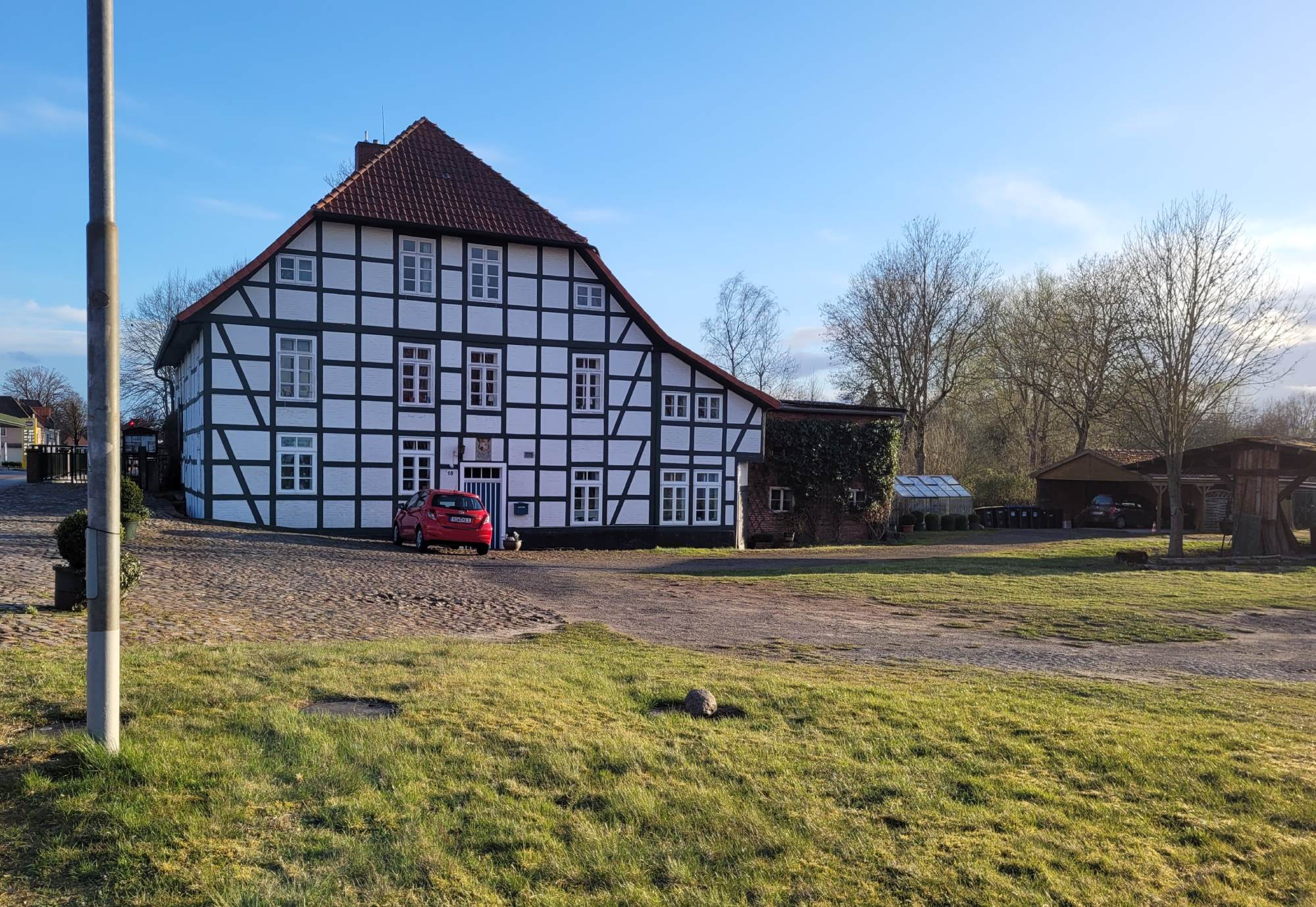
The watermill on Mühlenstreek
The watermill on Mühlenstreek was built in 1597 by Philipp Sigismund, Bishop of Osnabrück and Bremen. Over the centuries, the mill underwent several changes. In 1976, the mill was listed as a historic monument. Today, the historic building is used exclusively as a residential house.
A new neighborhood around the historic mill
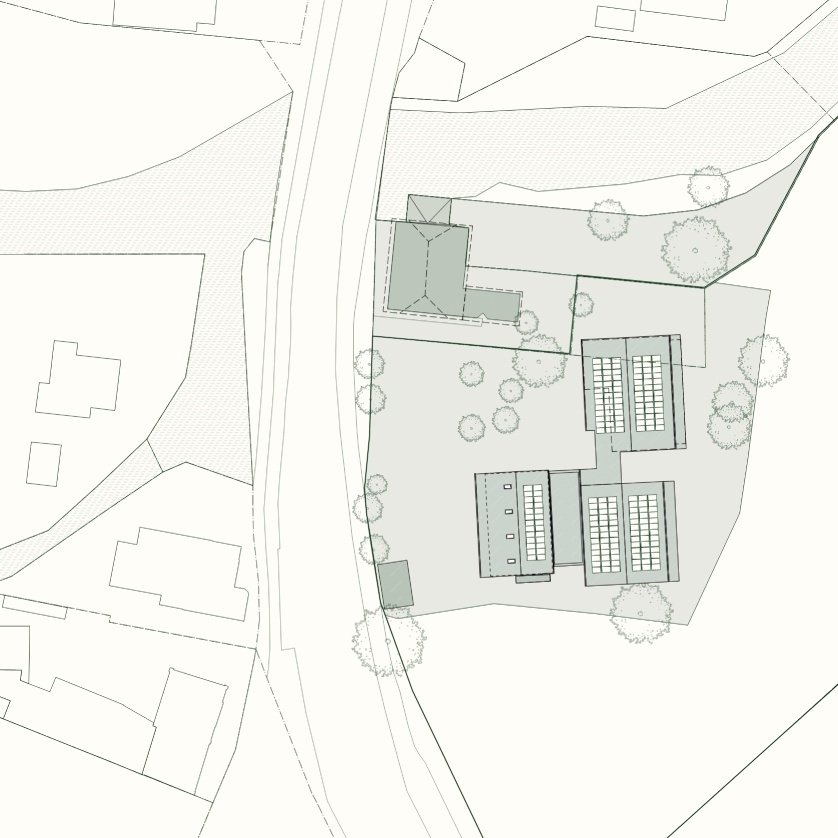
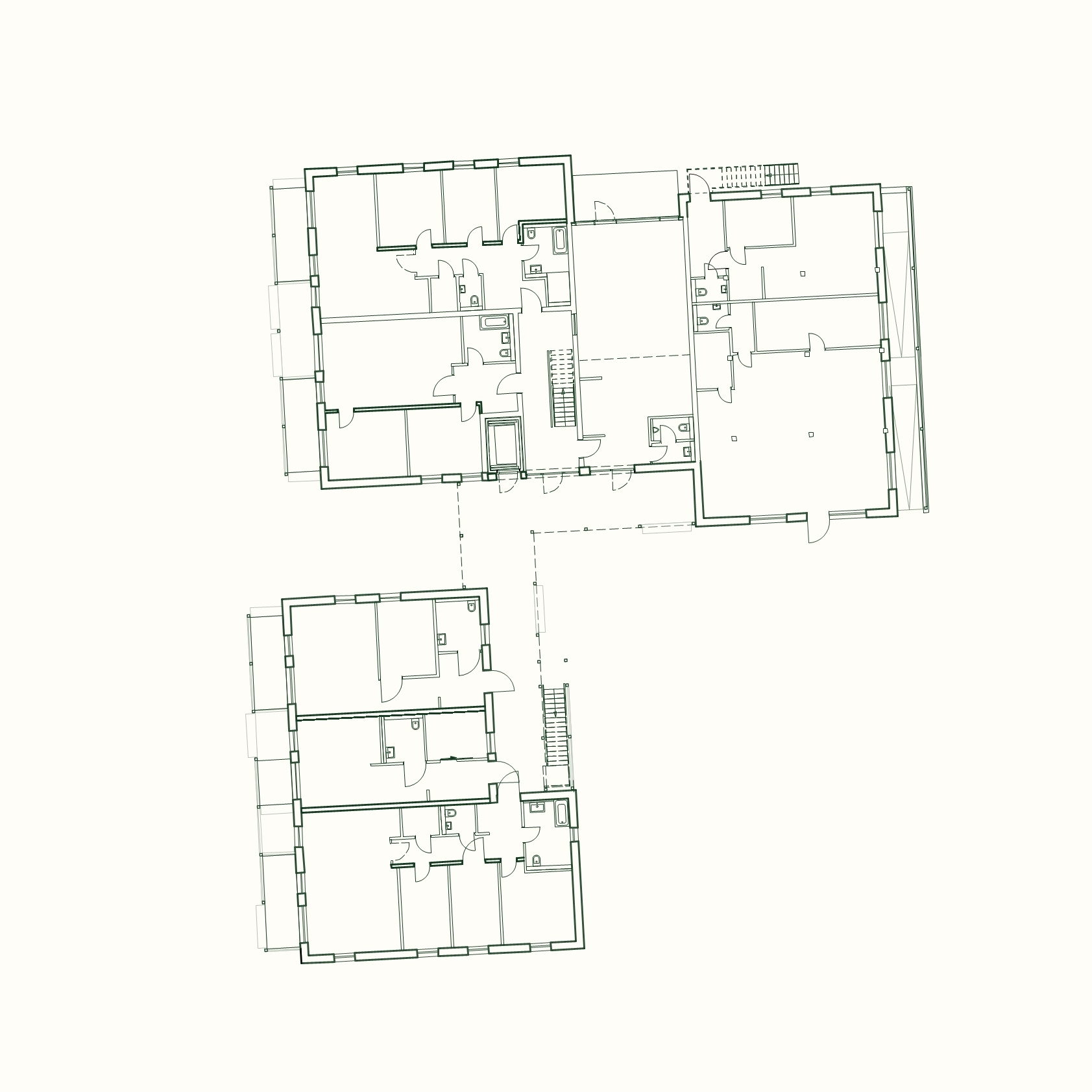
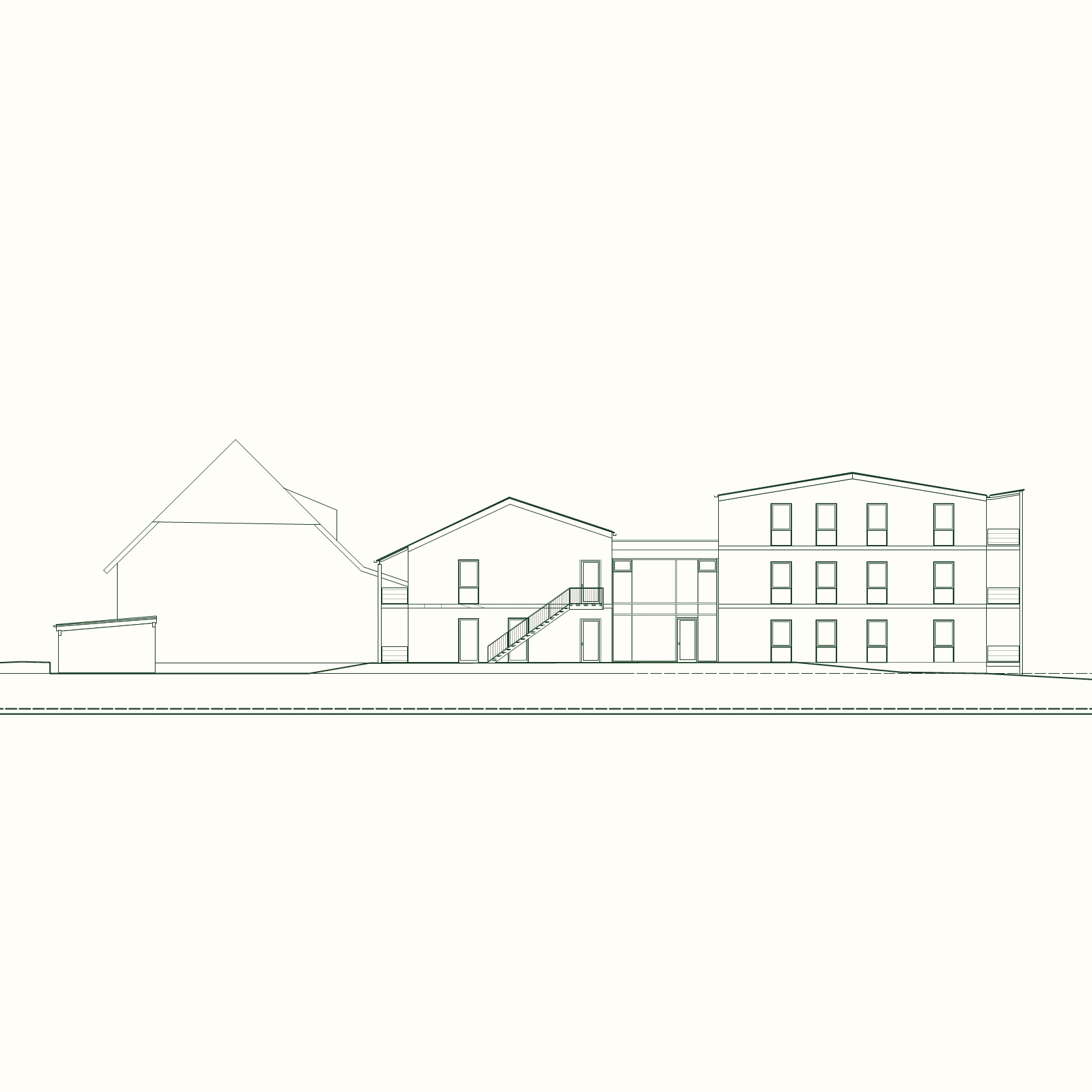
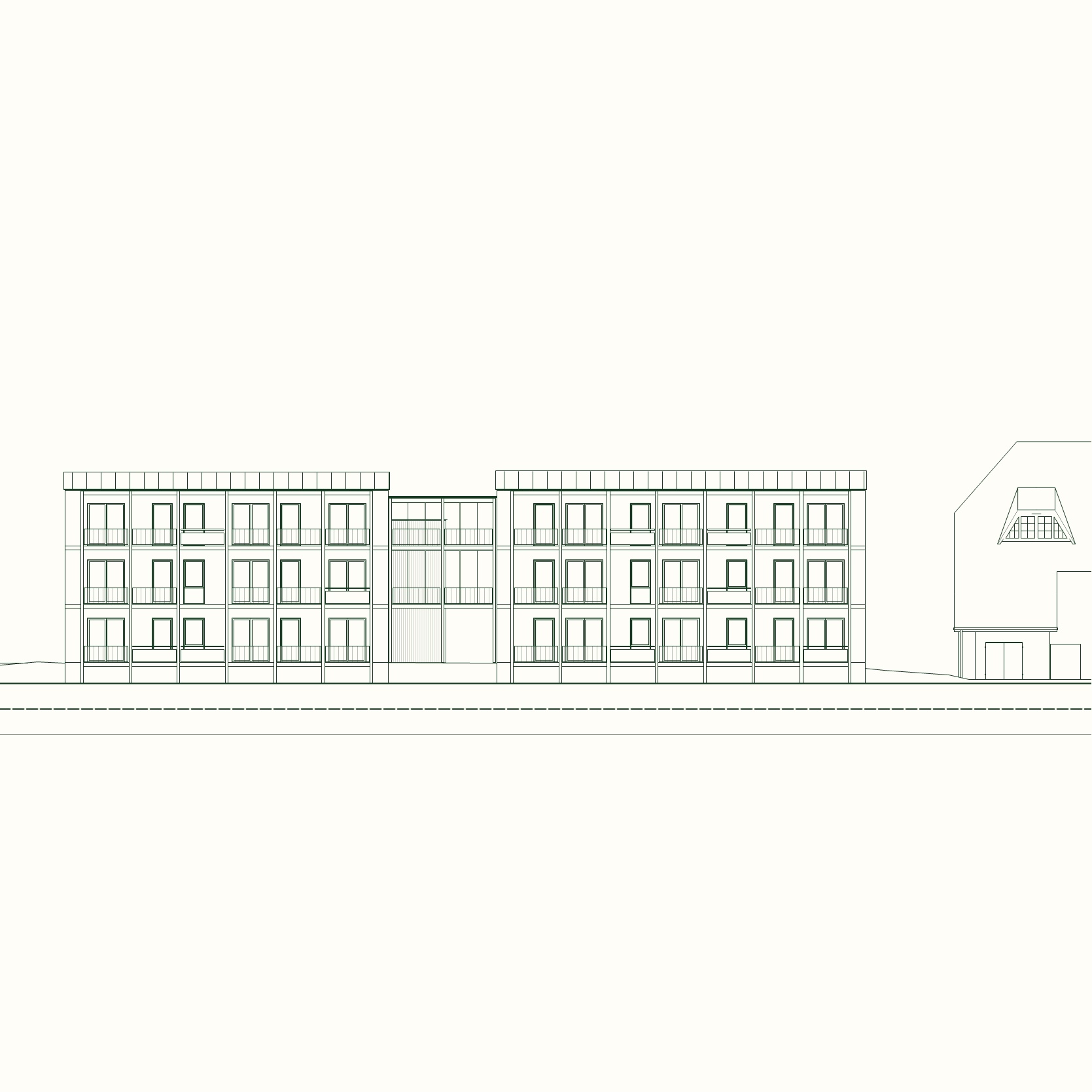
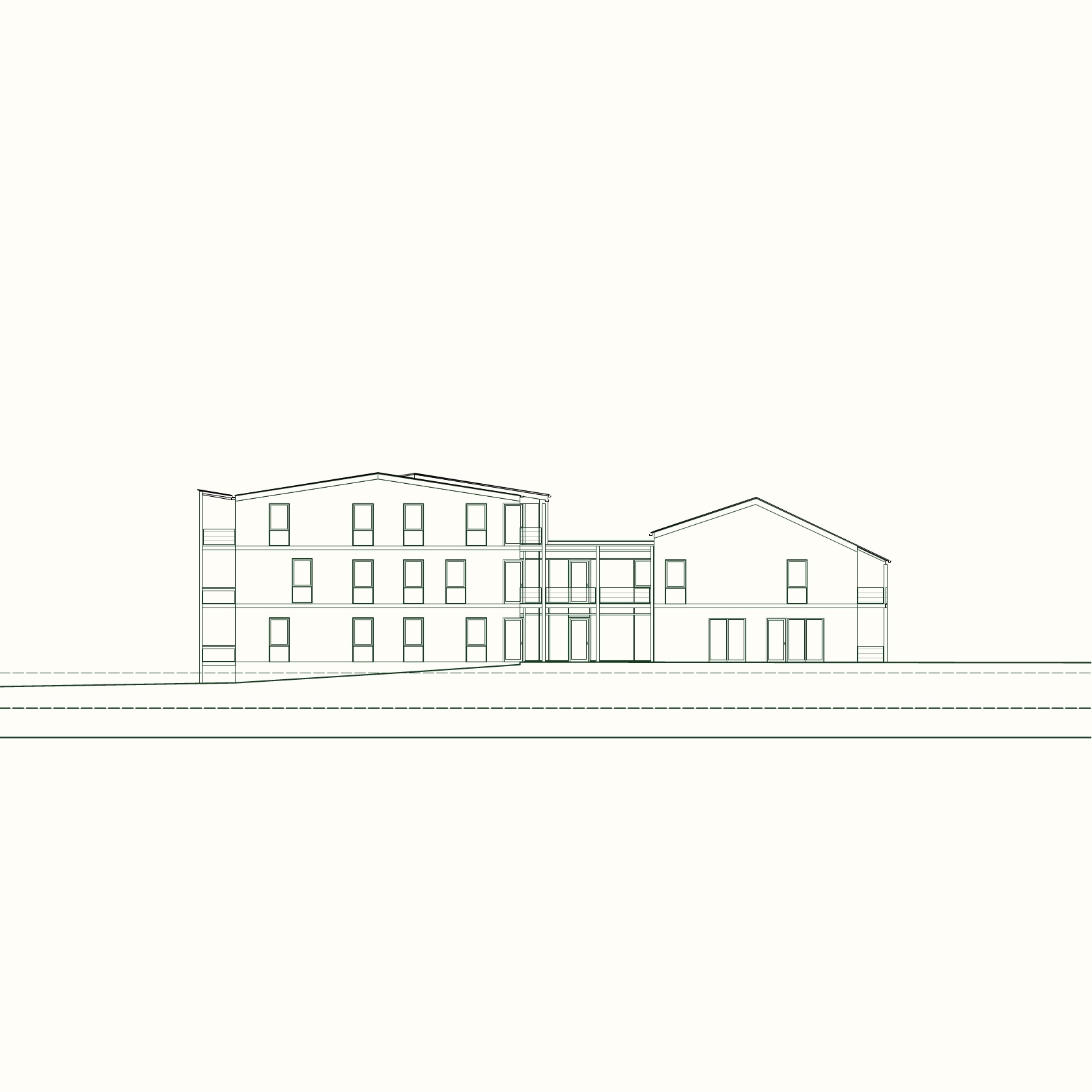
The concept for the new building focuses on the careful integration of the historic mill into an urban ensemble. Two modern new buildings, together with the mill, form a central "mill courtyard" that serves as the social and spatial center of the neighborhood. The L-shaped new building is visually divided into three sections, which are connected by open bridge structures and a central communal area.
The three buildings are based on the size and scale of the mill: the structures facing the meadow are three stories high, while the street-facing building and the adjacent communal area are two stories high. All apartments and uses are connected via pergolas and bridges. The units vary in size and use – from single rooms to family apartments, supplemented by commercial space and communal rooms.
The central communal area serves as a meeting place for residents and can be used for events. Large windows and open balcony structures open up the rooms to the surrounding landscape. Balconies, bridges, sunshade elements, and green trellises echo the half-timbered tradition of the mill, creating a contemporary connection between old and new.
Open space and landscape
The open space concept connects private and public areas and creates spaces for people to meet and relax. Key elements include a plaza, festival grounds, natural gardens, and a footbridge over the rapids. The planting is based on native species, while water features, swale ditches, and extensive animal husbandry support biodiversity. Cars are parked on the northeastern edge of the site; a car-sharing service with two cars and ten parking spaces limits traffic and enables car-free urban living. We have already had very good experiences with this concept in our LebensArt Rotenburg project.
Energy and sustainability
The neighborhood is energy self-sufficient: electricity from solar and hydro power covers the buildings' needs. Heat pumps use the rapids and geothermal sources, while temporary storage ensures efficient load management. With this concept, the historic mill is preserved in its current form, and the neighborhood is operated in a climate-neutral manner throughout its entire life cycle.
Community and use
Stromschnelle promotes encounters, inclusion, and self-determined living. Barrier-free apartments and coworking spaces enable individual needs and community activities. The central "community area with two rooms" serves as a place for encounters, retreats, and seminars, workshops, and counseling services for the urban community. In this way, historical substance, sustainable architecture, and social responsibility merge into a lively neighborhood that preserves history, brings nature to life, and brings people together.
Companies and individuals involved
The Stromschnelle project is a collaboration between Stromschnelle GbR – Leben an der Wassermühle and us. Polyplan-Kreikenbaum Gruppe GmbH and Polycon GmbH are also involved in the planning and construction. The initiative is supported by Stromschnelle GbR.
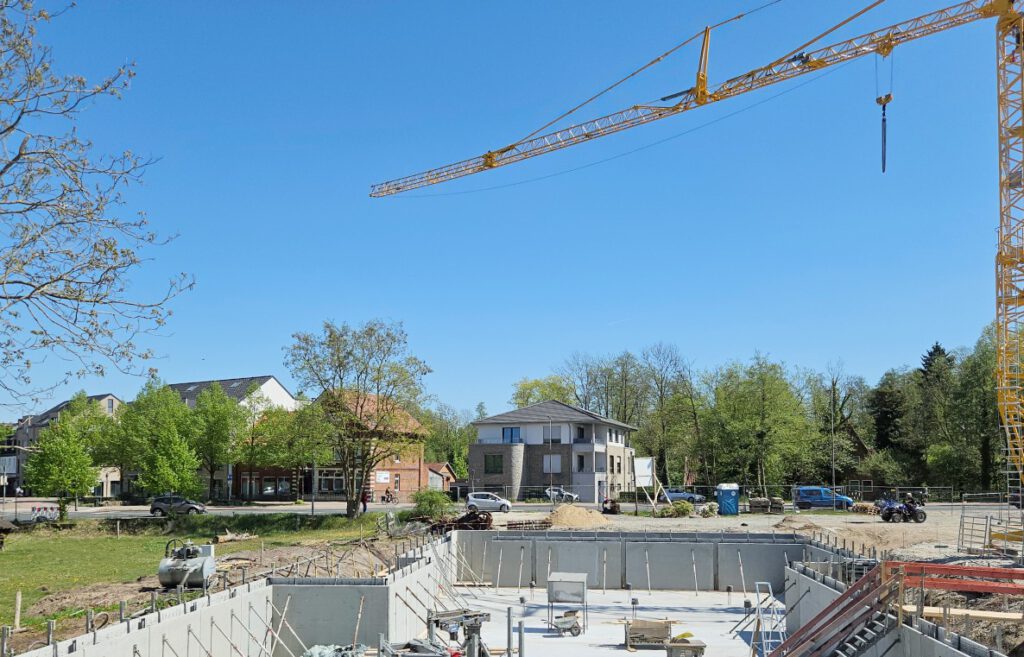
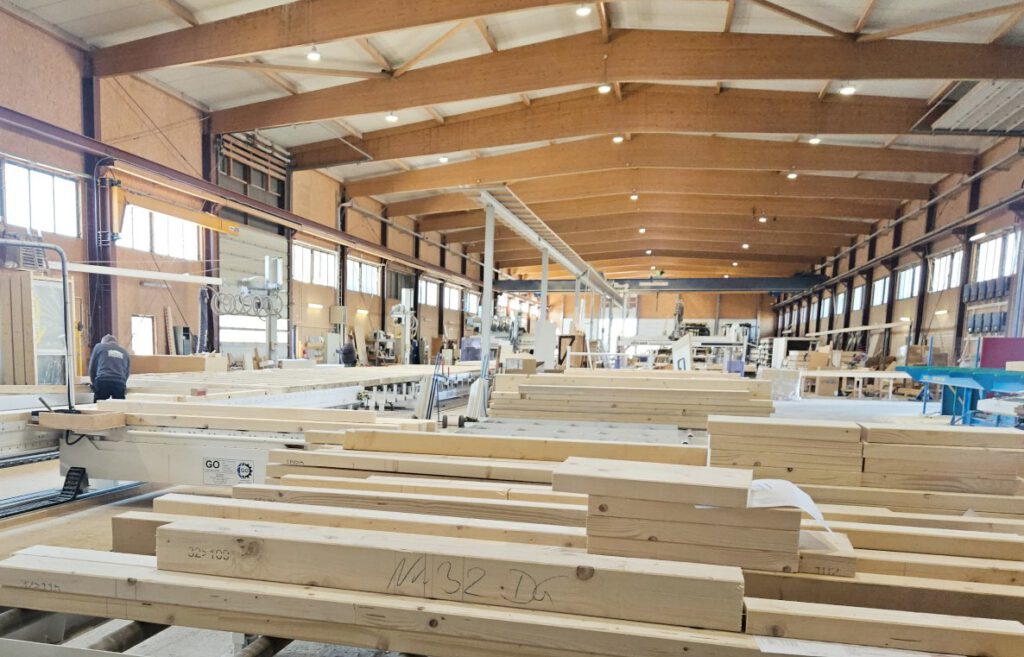
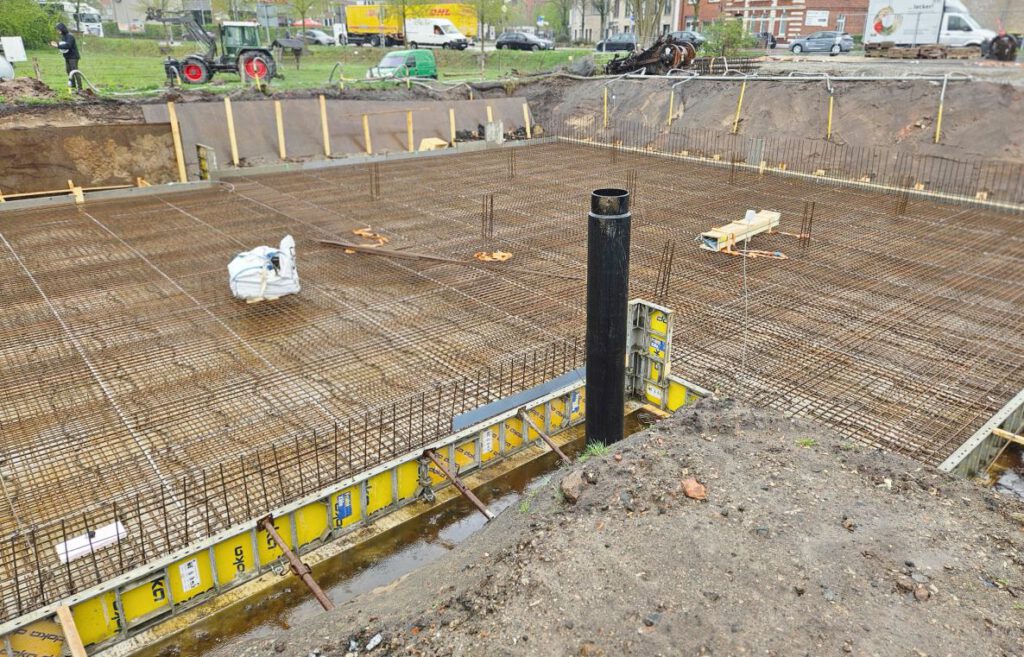
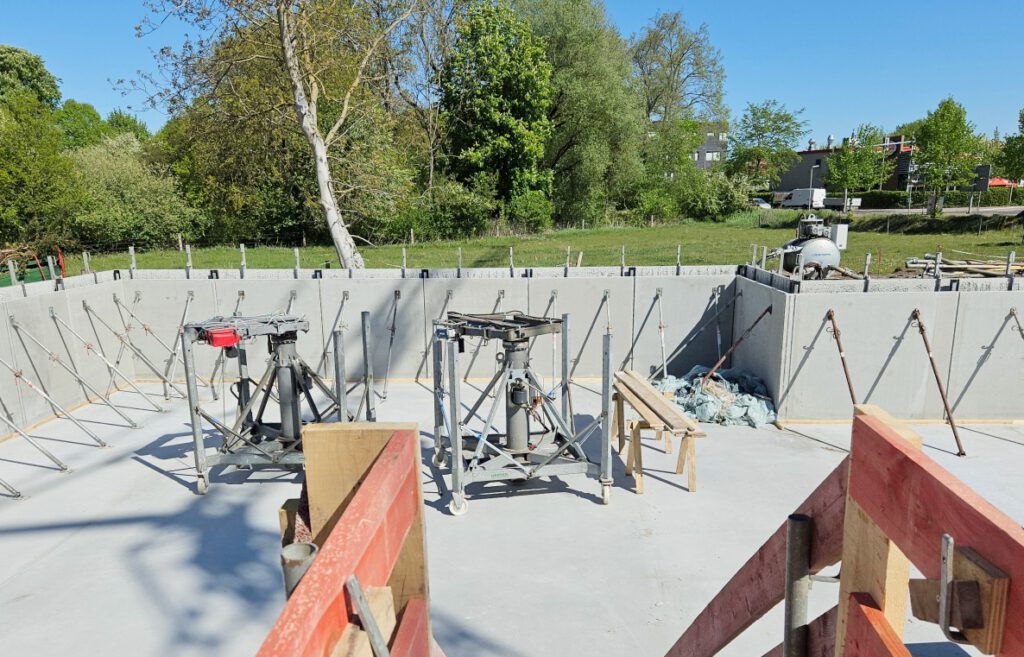
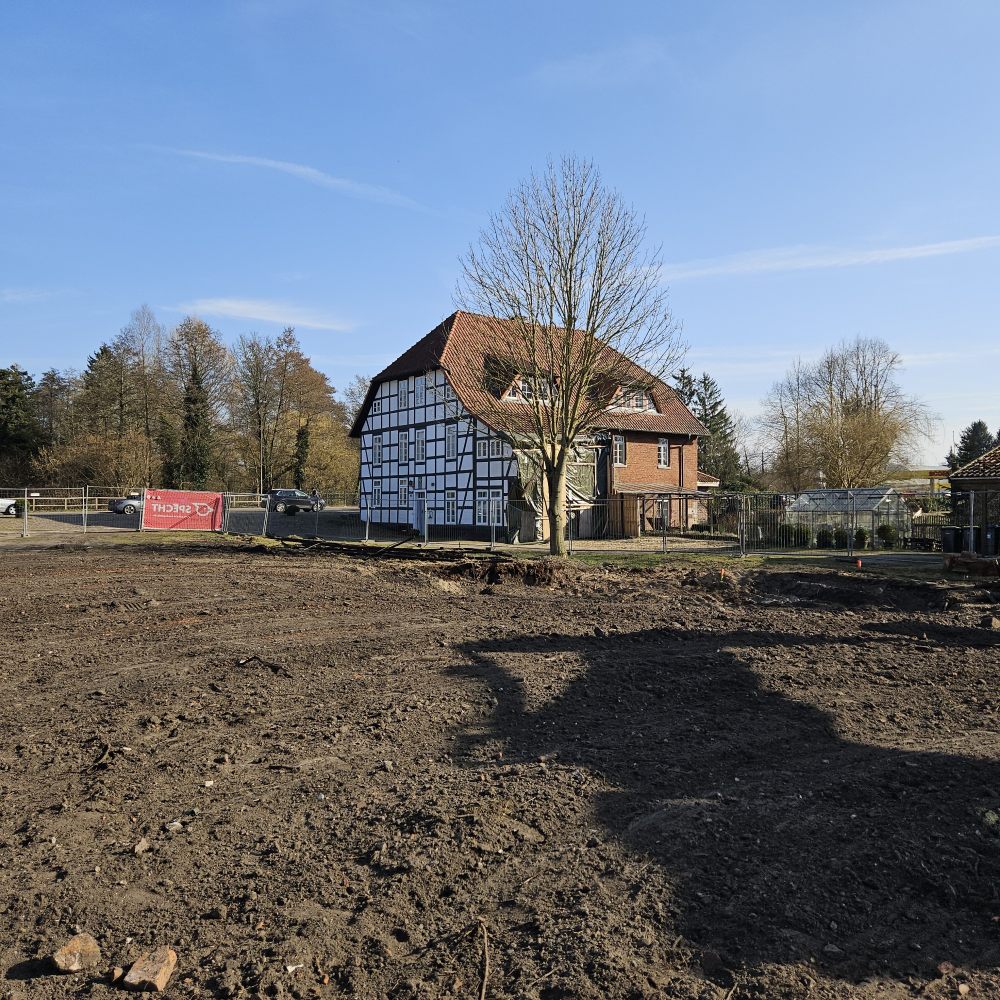
construction site pictures